Case Study: Logo Design Portfolio
Client: Multiple clients across industries
Disciplines: Logo design, brand identity, visual strategy
The Challenge
A logo has to work everywhere: on a business card at three-quarters of an inch, on a building at forty feet, in black and white on a fax, and as a favicon at sixteen pixels. The design philosophy is that each mark should be distinctive, versatile, and strategically aligned — built to perform across digital, print, and wherever a brand lives.
Across more than a dozen logos in the portfolio, the challenge is never the same twice. Each client arrives with a different industry, a different audience, and a different set of brand equity they either have or are trying to build.
The Approach
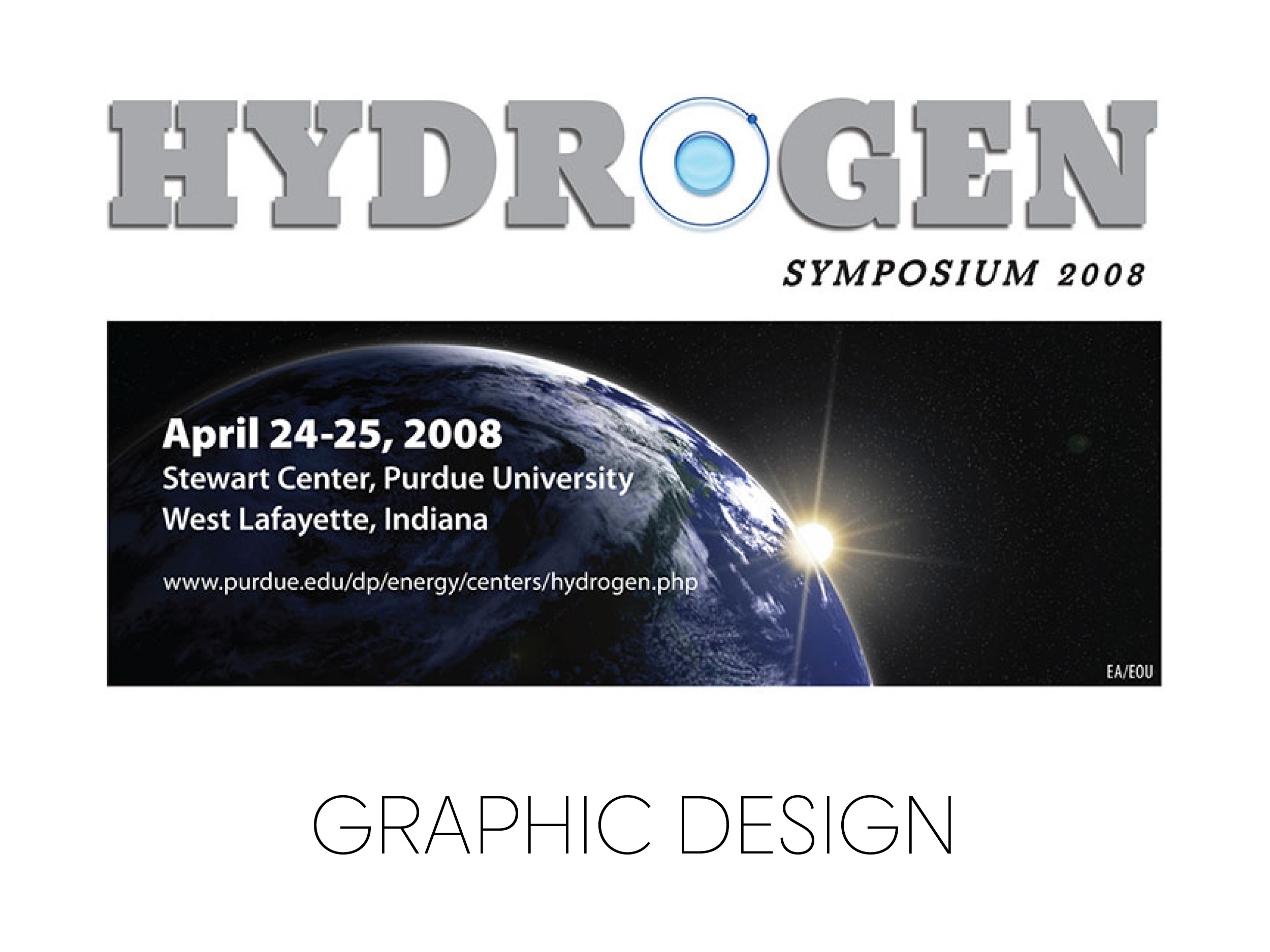
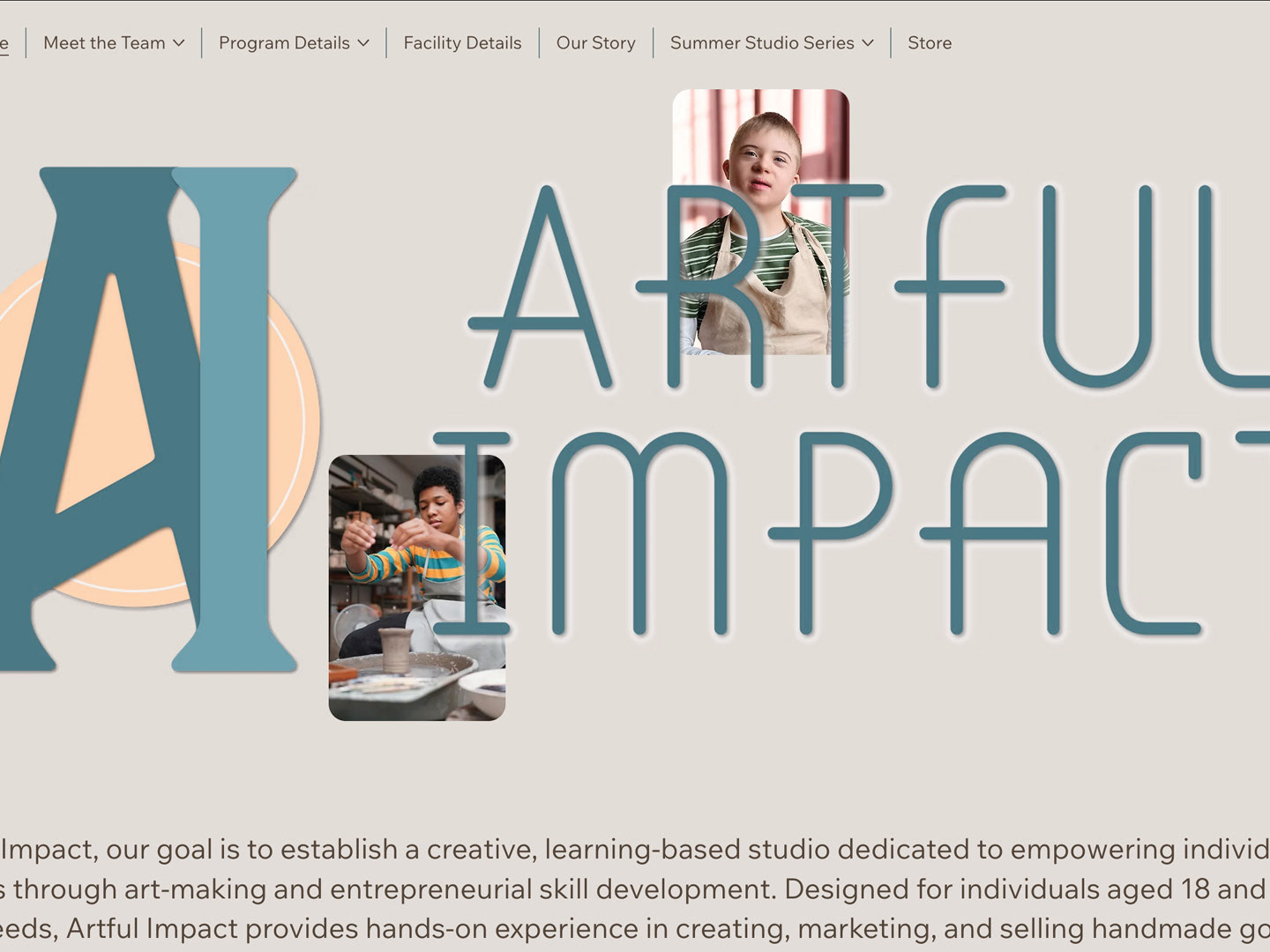
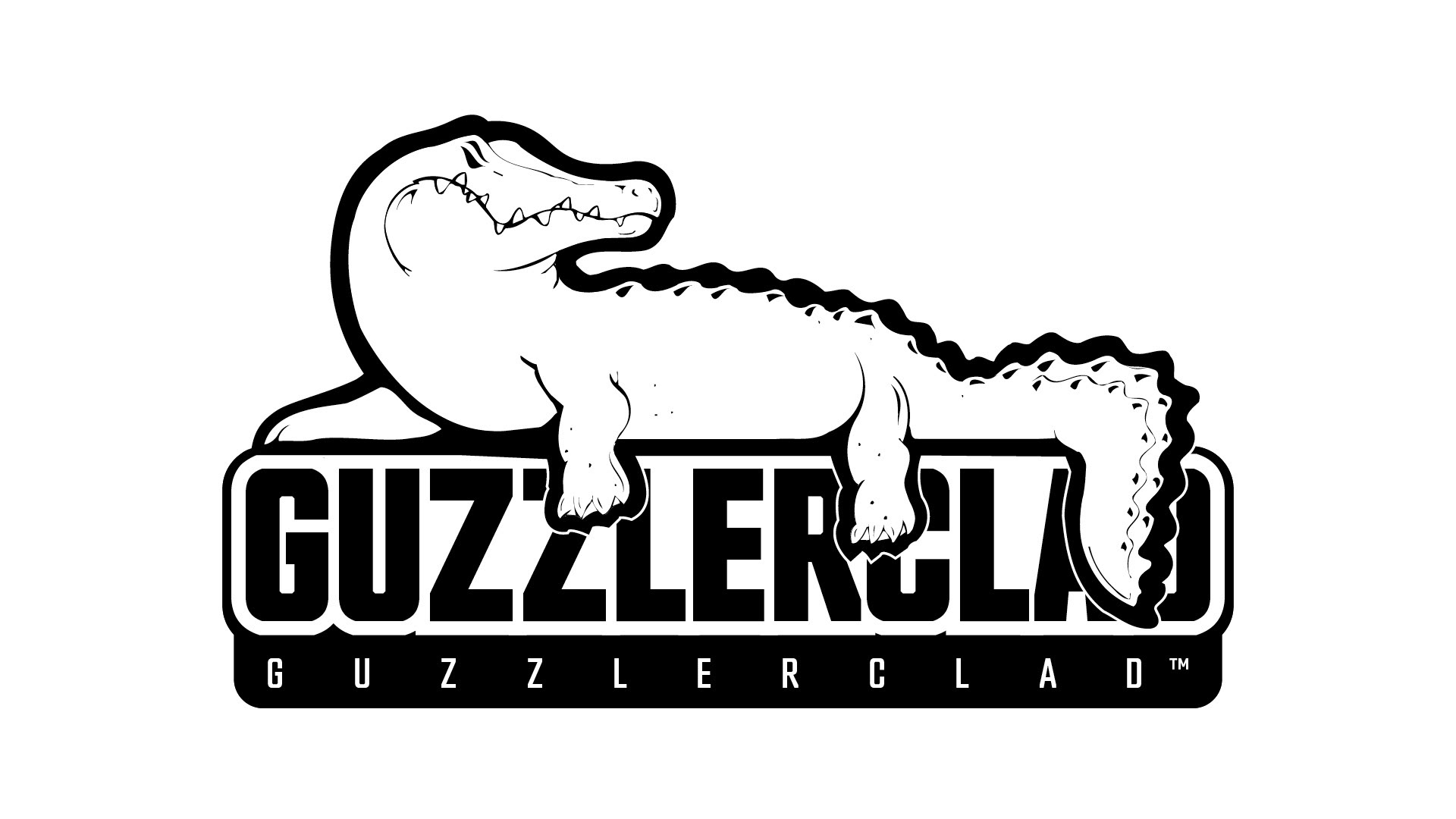
With 30+ years of logo work, the portfolio reflects a designer who moves fluently across styles rather than imposing a signature aesthetic on every client. Some marks are typographic; others are iconographic; others combine both. The range reflects an understanding that a logo for a university research center and a logo for a regional business are fundamentally different communication problems — even if the craft requirements are identical.
Each logo in the portfolio demonstrates restraint: the instinct to strip away rather than add, to find the one visual idea that does the most work. That discipline is harder to develop than any software skill, and it is the clearest marker of a designer working at a senior level.
The Outcome
The portfolio reads as a body of work from someone trusted by a wide range of clients — from institutions to startups — precisely because the work doesn’t look like it all came from the same template. Every mark has its own logic, and that logic is traceable back to the client’s actual needs.
Why It Stands Out
Logo design is the discipline where generalist designers most often expose their limitations. A portfolio of 14+ distinctive, scalable marks across industries is evidence of genuine strategic depth — not just visual facility. The range of clients — universities, nonprofits, startups, and Fortune 500 companies — confirms that the thinking adapts to the context rather than the other way around.
Eric Smoldt Graphic Art — ericsmoldt.com