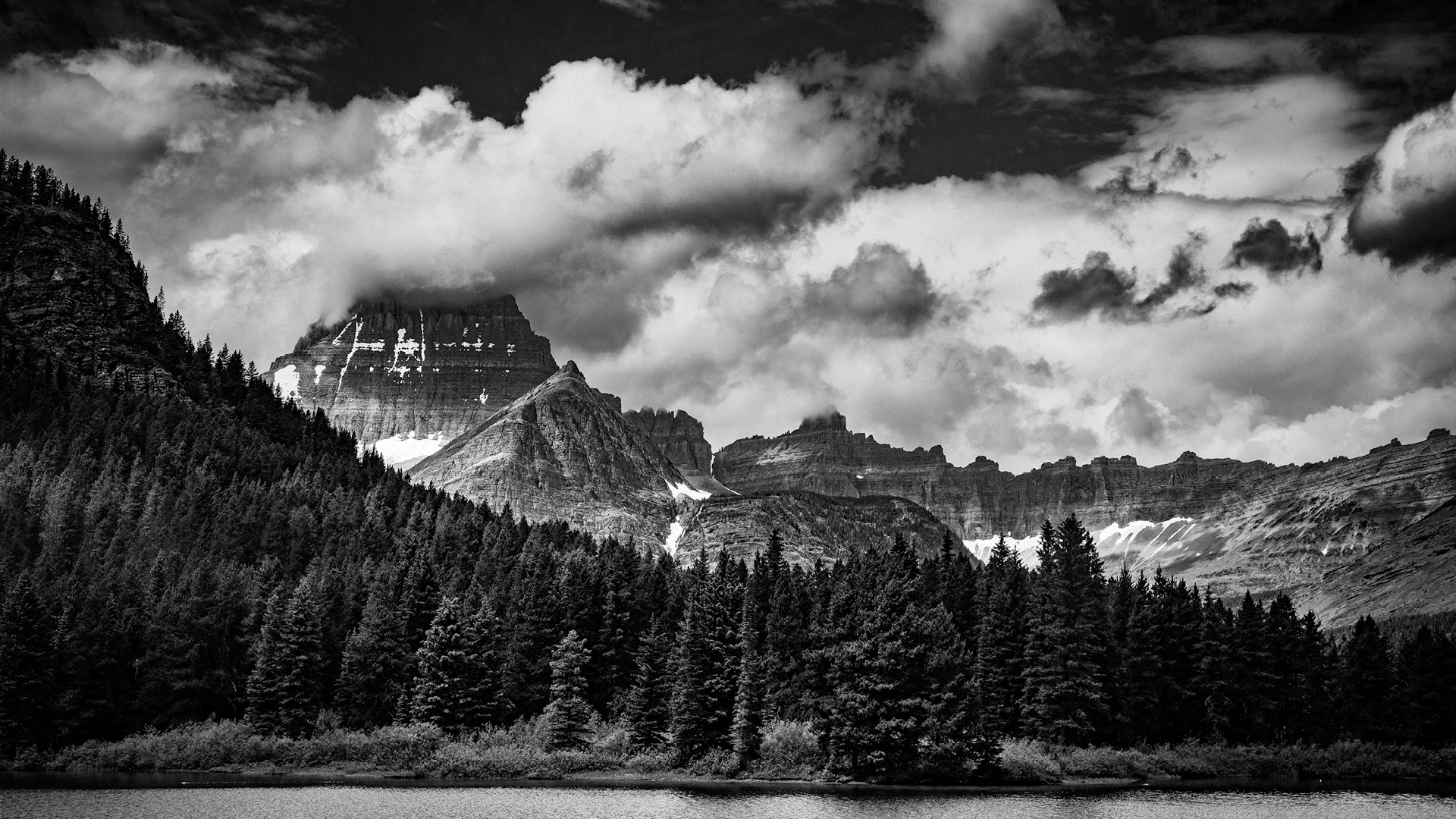
Case Study: National Wildlife Federation Photo Contest
Client: National Wildlife Federation (competition submission)
Disciplines: Photography, visual composition, editorial editing
The Challenge
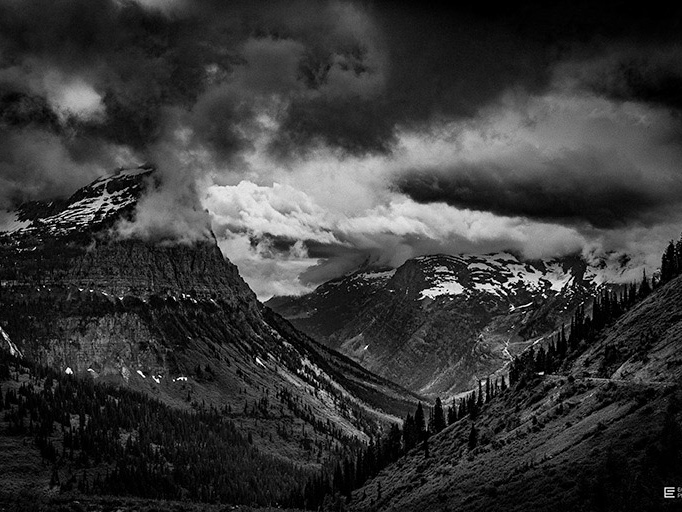
The NWF photo contest is a highly competitive national forum. The submission set focuses on Glacier National Park and Many Glacier — locations that attract thousands of photographers every year. The challenge is not simply to capture beautiful scenery. It is to make images that stand apart in a field of technically competent photographs shot from largely the same vantage points.
When every entrant has access to the same mountains and the same light, differentiation comes down to the quality of seeing: timing, composition, patience, and the ability to recognize a moment that hasn’t been made before.
The Approach
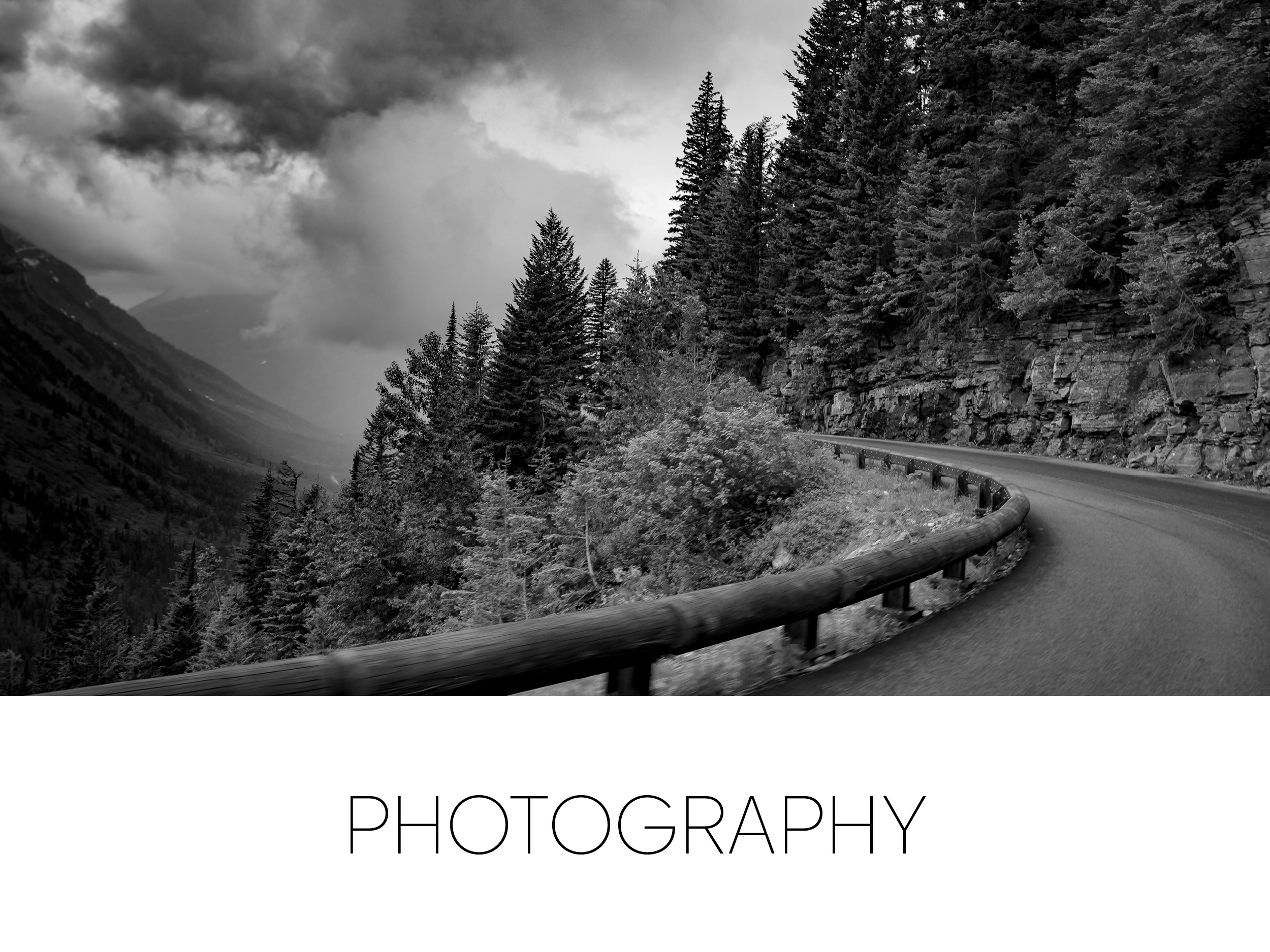
The design philosophy applied to photography is a designer’s eye brought to every frame — thoughtful composition, lighting, and timing — to create striking, purposeful visuals. In the context of a national park like Glacier, that means resisting the postcard shot in favor of images that convey something felt rather than simply documented.
The selection of ten images from two distinct locations within the park — Glacier National Park proper and Many Glacier — suggests a deliberate edit that tells a place-based story rather than simply archiving a trip. The breadth of the submission demonstrates an understanding of how a body of photographic work functions differently from a single strong image: each photograph has to stand alone and contribute to a coherent visual narrative.
The Outcome
A submission to a national wildlife photography competition from a designer whose primary discipline is not photography is itself a statement. It reflects the kind of cross-disciplinary confidence that comes from decades of thinking about images professionally — understanding light, composition, and visual weight not as rules but as tools.
Why It Stands Out
Most graphic designers do not enter national photography competitions. The willingness to submit this work to external judgment — and to do so with a cohesive body of images from one of the most photographed places in America — speaks to genuine photographic ability rather than the casual snap-and-filter approach that passes for photography in many design portfolios. It also signals a designer who engages seriously with every visual discipline they practice.
Eric Smoldt Graphic Art — ericsmoldt.com